
Circular Doesn't Have to Mean Compromise: Rethinking What Pre-Loved Luxury Looks Like
Rosie Gunn on rethinking circular fashion as elevated, not alternative, and how Endless is rebuilding pre-loved luxury for women in the UAE.
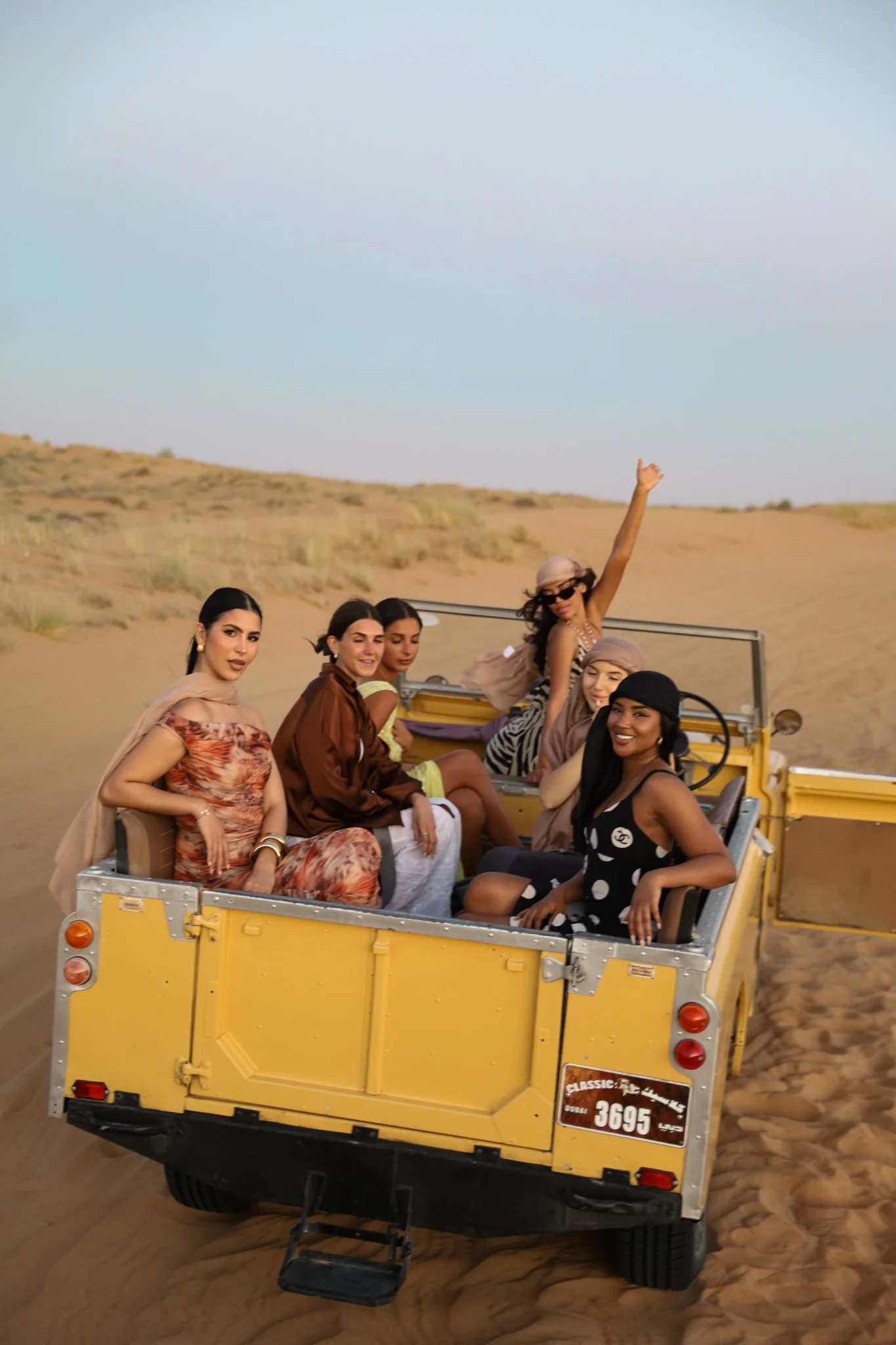
For years, the conversation around circular fashion was built on the same quiet assumption. You were going to have to give something up.
You'd save money, but you'd lose the freshness of buying new. You'd reduce your impact, but you'd have to accept a less polished experience. You'd find a beautiful piece, but the photo wouldn't quite do it justice, the description would be sparse, and the delivery would arrive in a plastic envelope.
I never accepted that framing. I think it's the single biggest reason circular fashion has stayed niche for as long as it has.
Circular doesn't have to mean compromise. And the version we've built at Endless is what it can look like when it doesn't.
The compromise was a design choice, not a fact
The reason pre-loved felt like a compromise for so long is not because the clothing is compromised. The pieces are often extraordinary. The compromise lived in the platforms.
Older circular platforms were built as marketplaces, with the seller bearing most of the work. Listings were inconsistent. Photography was whatever the seller could manage. Sizing was often vague. Delivery was unreliable. Returns were complicated.
That model worked for a certain shopper. A patient one. A bargain-led one. The shopper who was willing to trade experience for price.
What it didn't work for was the woman who loved the dress, was willing to pay for it, and wanted the experience to match. Most women who buy designer fashion are that woman. The compromise model excluded the majority of the market it could have been serving.
Endless was built specifically for that gap.
What changes when you remove the compromise
We took a different approach. We built the platform with the standards of a luxury retailer, not the standards of a marketplace.
That means every piece on Endless has been styled and photographed properly. Real women, real lighting, real movement. You can see how the dress sits. You can see the back. You can see the detail.
It means the descriptions tell you something. The fabric. The fit. The brand context. The kind of event the piece works for. Whether it runs small. Whether it suits a particular height.
It means the dress arrives professionally cleaned. In our packaging. Ready for the event you booked it for. Across Dubai in as little as two hours.
And it means you can shop confidently across over 500 designer brands without ever asking yourself if circular is going to be the time you compromise.
The model works because the experience earns the customer. Once she's used it once, the question of whether to shop new or shop circular shifts. Circular becomes the default.
The myth that price has to drive circular
A lot of the older circular conversation leaned on price. Cheaper than new. Save money. The pitch was financial.
I think this misread the customer.
The women who genuinely move the luxury market aren't shopping circular to save money. They're shopping circular because the product is better. They get access to more brands, more variety, more spontaneity. They can wear something different to every event without their wardrobe quietly turning into a graveyard of single-wear dresses.
The financial story is real, but it's downstream of the product story. Once the experience is right, the maths of circular makes itself. You can rent a piece you'd never have bought, sell pieces you've finished with, and keep your wardrobe in genuine motion. The economics follow from the product.
What I'd say to anyone in the industry still leading with the discount is that the discount isn't the unlock. The experience is.
The bigger question circular is actually answering
If you set the compromise aside, the question circular fashion is really answering is this. What should a wardrobe look like when fashion is treated as something that moves, rather than something that accumulates?
The accumulating wardrobe is the one most women already have, and most women quietly resent. The dresses worn once. The pieces still with tags. The shelf that hasn't been opened in two years. The buying that feels good for an hour and looks excessive for a decade.
The moving wardrobe is what circular makes possible. Pieces come in for an event and go out for the next woman. The same dress lives ten lives. Your wardrobe stays interesting because it stays moving.
This is what circular fashion can be when you build it for the woman who loves clothes. Not a sacrifice. An upgrade.
The manifesto, plainly
Circular doesn't have to mean compromise. It can mean more brands, more variety, more confidence, more events, more spontaneity, more moments where the right dress is available in two hours because someone else has just finished wearing it.
It can mean a luxury experience that respects the dress and respects the woman buying it.
It can mean a wardrobe that finally works the way it should.
That's the version of circular we've built at Endless. And it's the version I think the rest of the industry will eventually follow.
You can see what it looks like in practice at Endless.
Frequently Asked Questions
Is pre-loved fashion as good quality as buying new?
At Endless, yes. Every piece is professionally cleaned, properly photographed, and quality-checked before delivery. The experience is built to match the quality of the clothing.
Why has circular fashion stayed niche for so long?
Most platforms were built as marketplaces that prioritised price over experience. The photography, packaging, and delivery weren't designed for the woman who loves the dress. Endless was.
What is the Endless approach to pre-loved fashion?
Endless is built to luxury standards — real photography, detailed descriptions, branded packaging, two-hour delivery. Not the alternative option. The first choice.
Related Essays
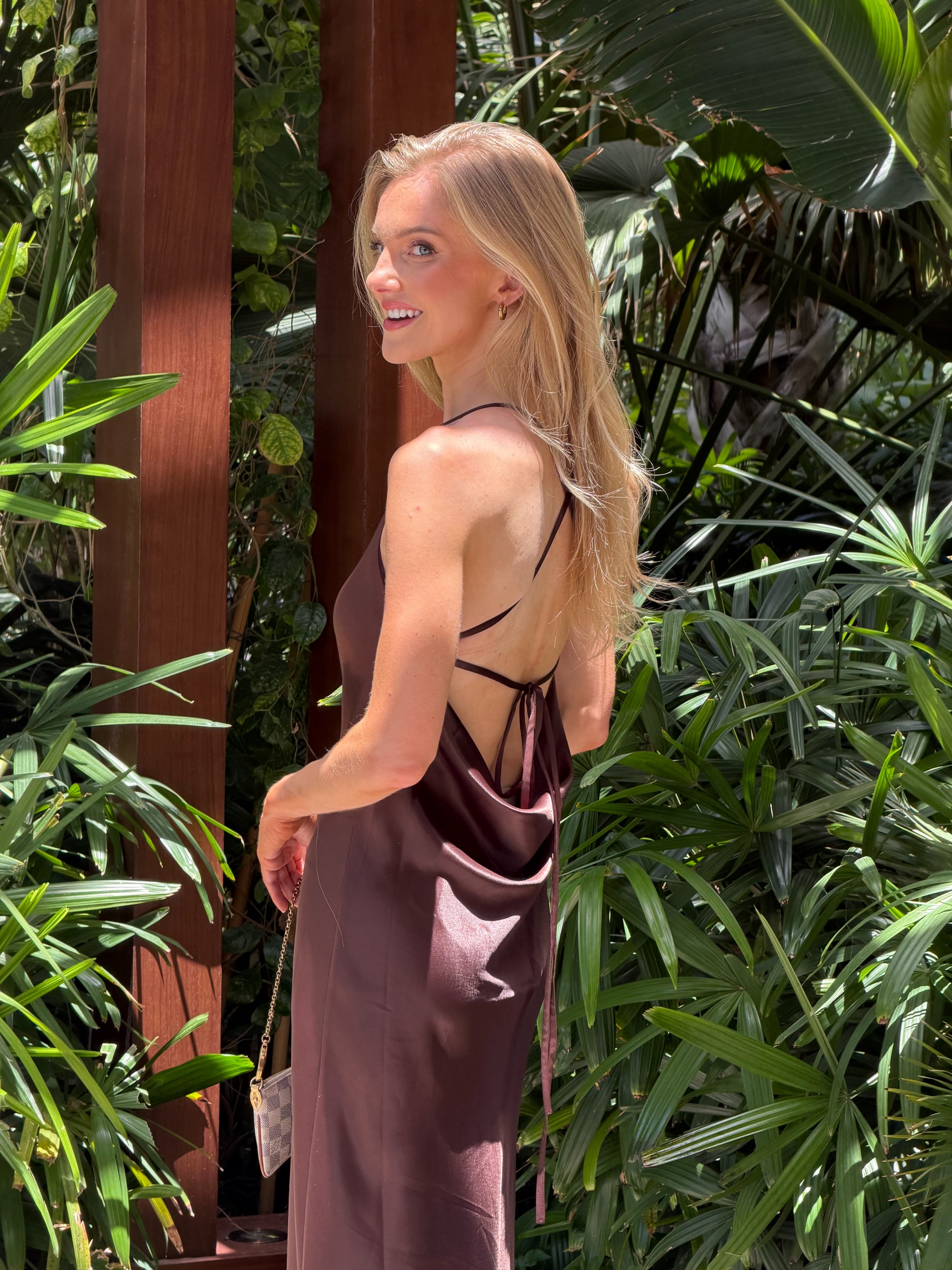
Circular Doesn't Have to Mean Compromise
Circular fashion doesn't mean settling. Rosie Gunn on why Endless was built to feel like luxury from the start — and why the discount was never the point.
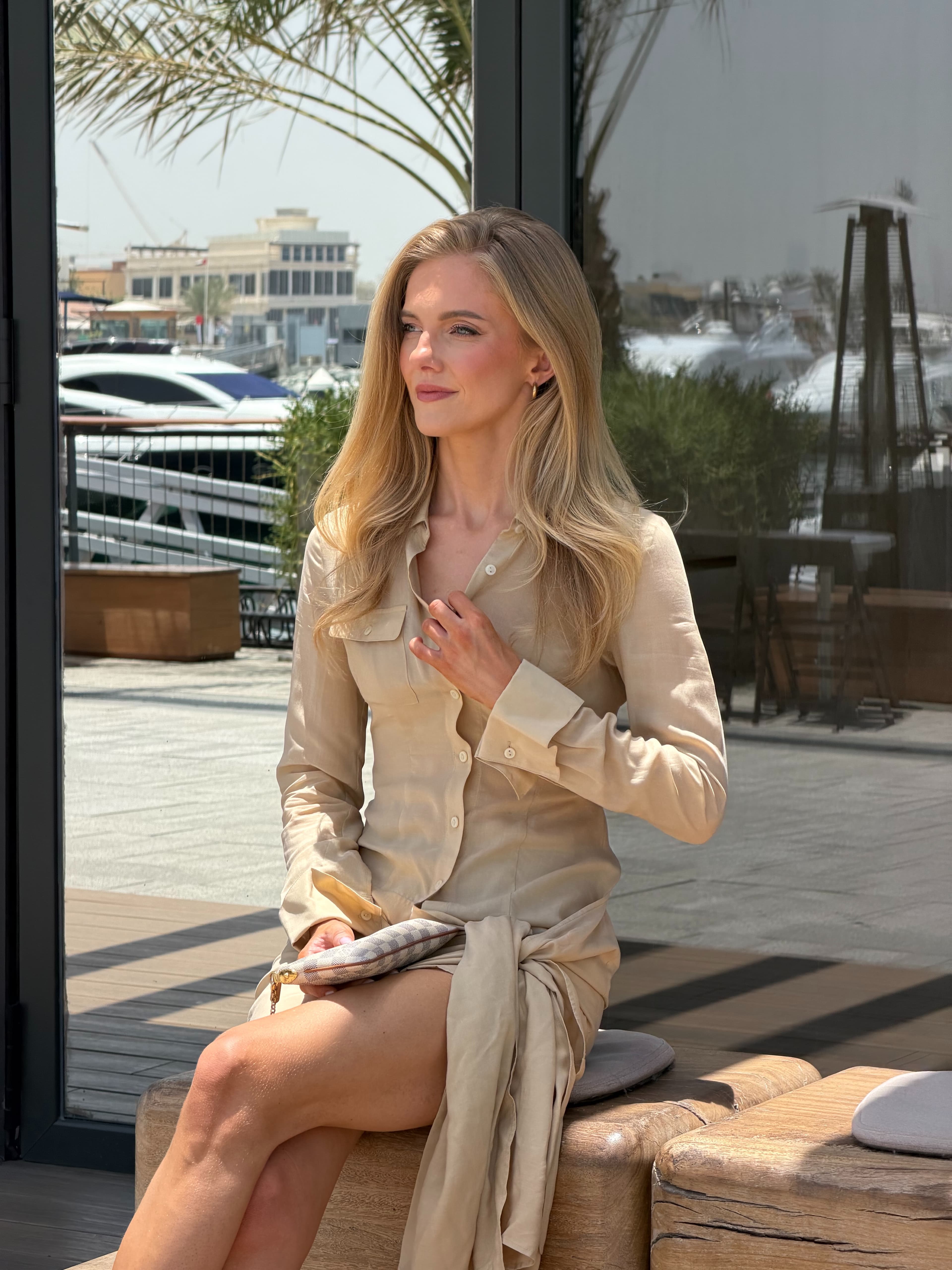
The Question That Started Endless
The question that started Endless: why doesn't circular fashion feel exciting? Rosie Gunn on the founding insight, the M&S career, and the room with David Reiss.
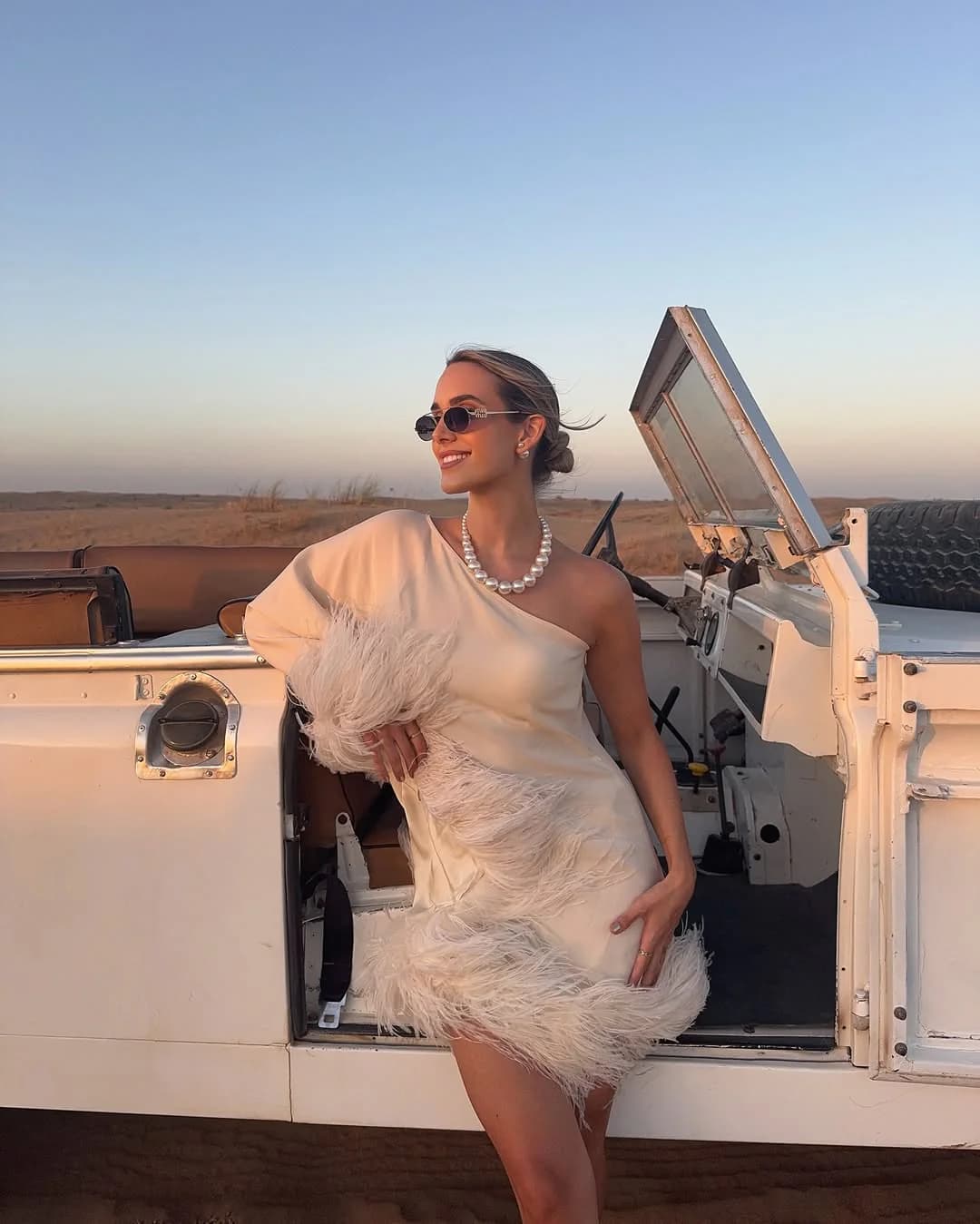
The Question That Started Endless: Why Doesn't Pre-Loved Feel Like a Luxury Experience?
Rosie Gunn on the founding question behind Endless: why pre-loved fashion didn't feel like a luxury experience, and how she's rebuilding it for women in the UAE.